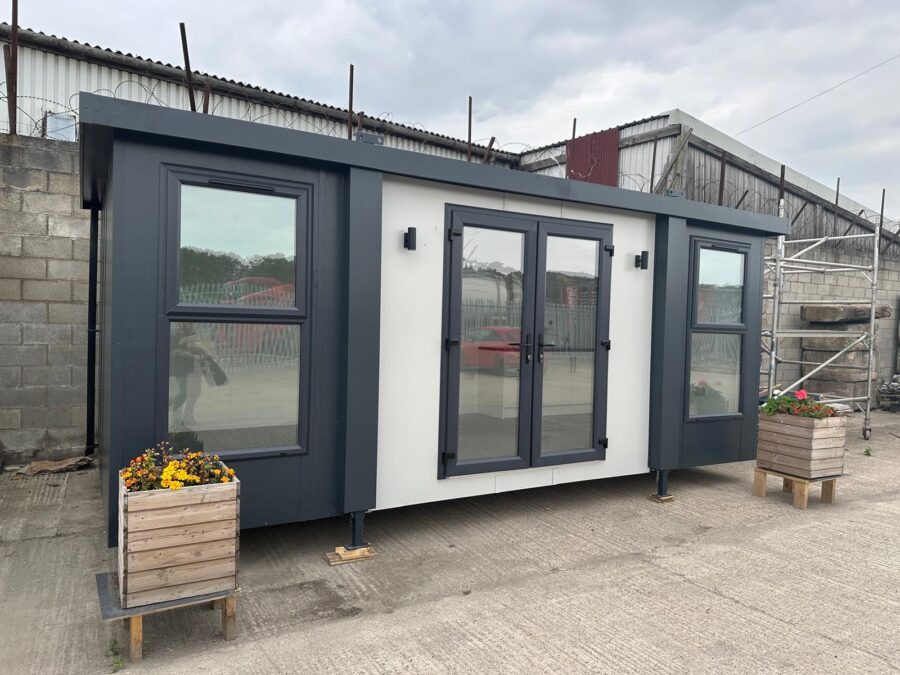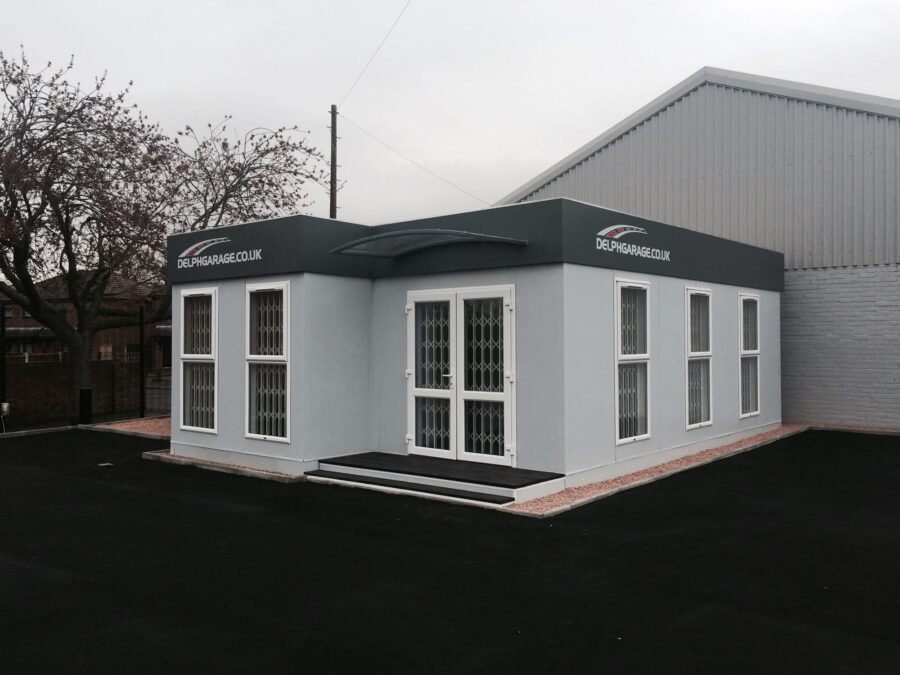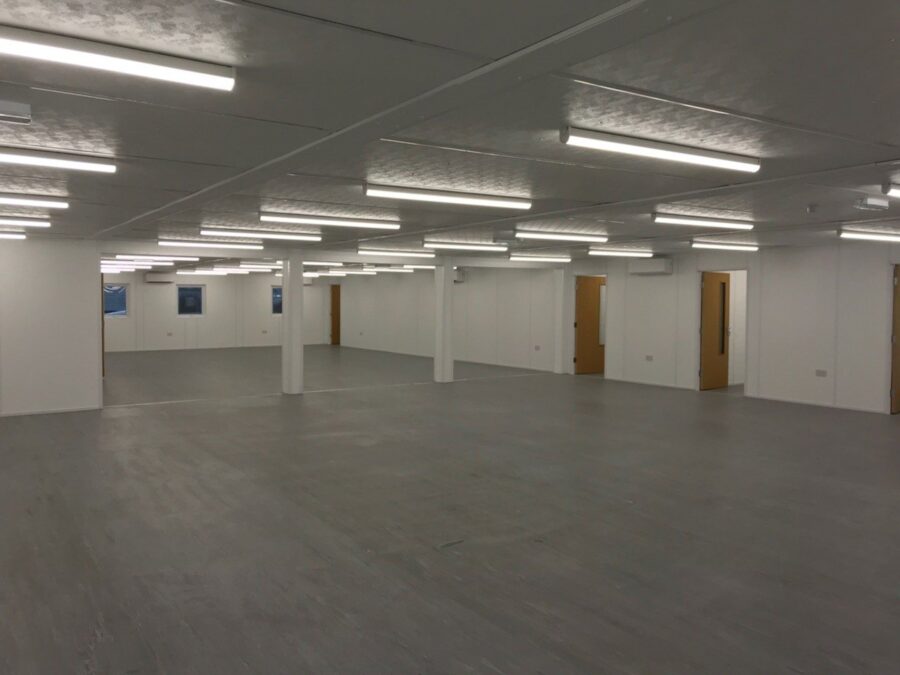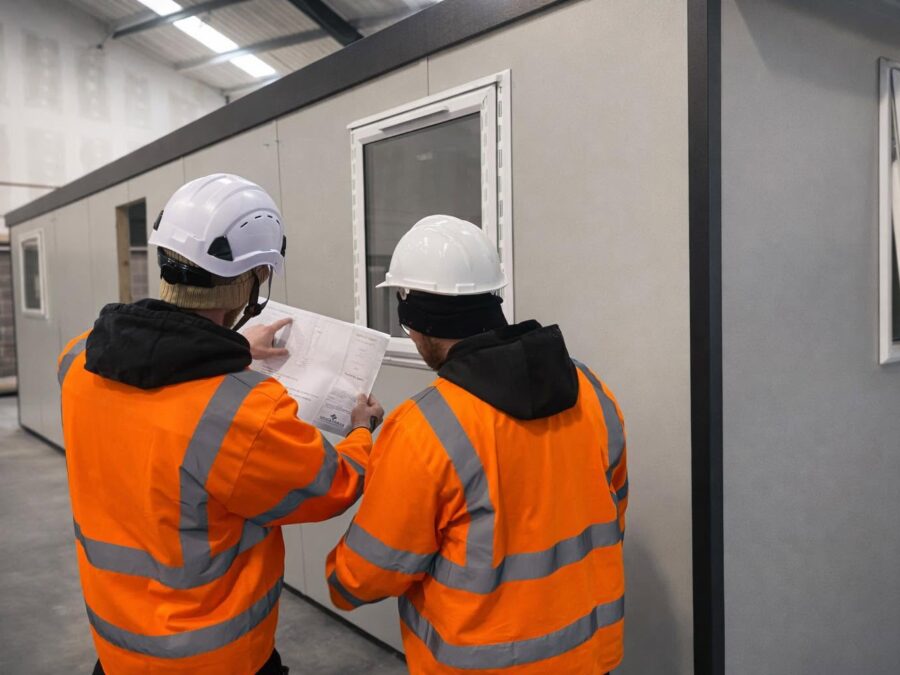
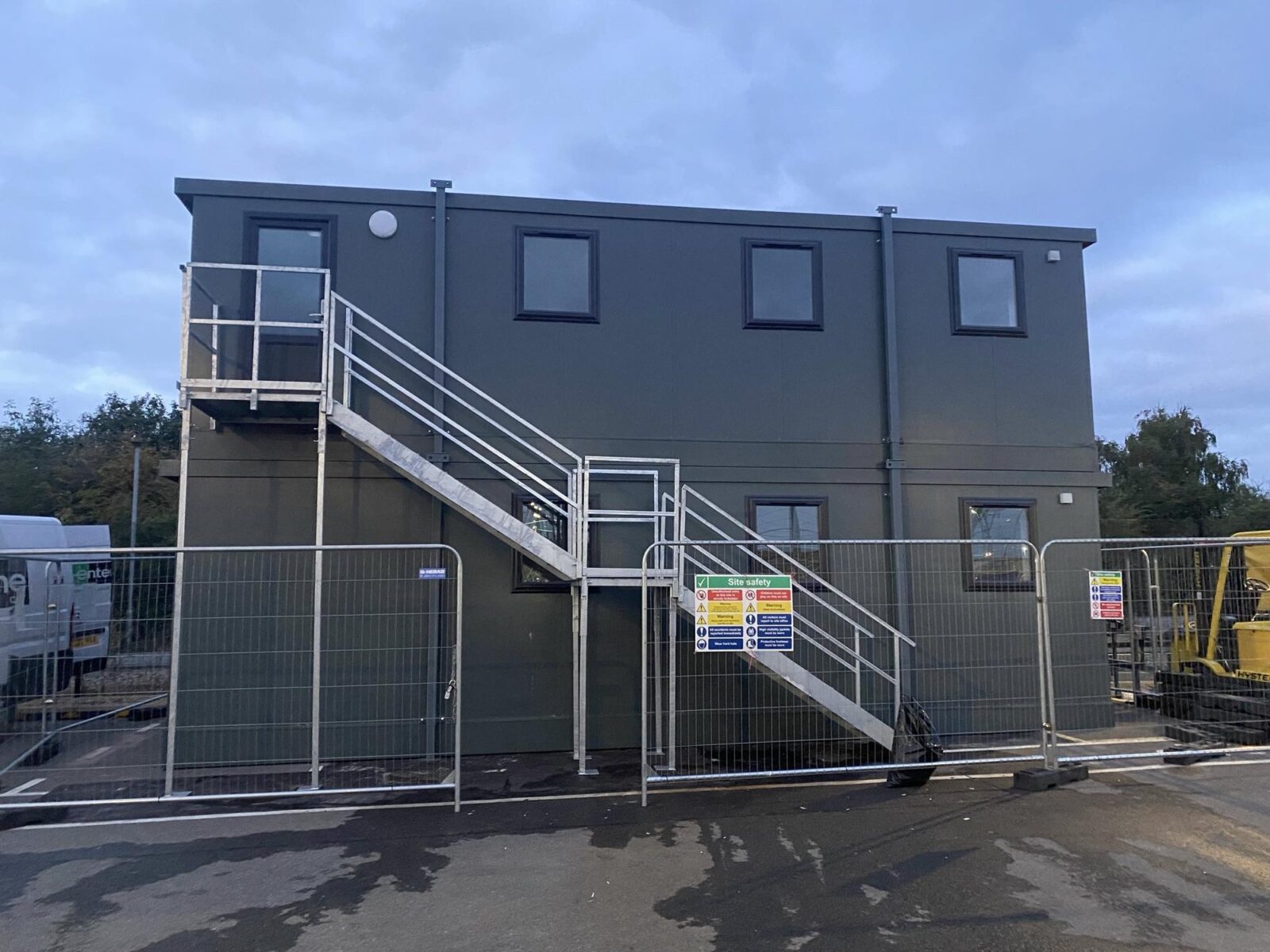
One of the biggest advantages of Modular construction is flexibility. Unlike many traditional buildings, modular buildings can often be adapted, extended or relocated as an organisation’s requirements change.
For growing businesses, expanding schools and construction companies working across multiple locations, this can be particularly valuable.
Rather than investing in an entirely new building whenever additional space is required, it may be possible to extend an existing modular structure or move it to another site.
But how straightforward is the process, and what should you consider before making changes?
In this guide, we’ll explore whether Modular buildings can be extended or relocated, how the process works and the factors that influence cost, feasibility and long-term value.
Can You Extend a Modular Building?
Yes, many Modular buildings can be extended to provide additional space.
One of the defining features of modular construction is that buildings are assembled using individual sections, known as modules. Depending on the original building system, additional modules may be connected to create larger internal spaces.
This makes modular buildings particularly attractive for organisations expecting future growth.
For example, a business that initially requires a small modular office may eventually need additional workstations, meeting rooms or staff facilities.
Rather than replacing the entire building, an extension may provide a practical solution.
However, not every modular building is designed to accommodate additional modules. The feasibility of an extension will depend on its structural design, condition and available space.
How Can a Modular Building Be Extended?
There are several ways modular buildings may be expanded, depending on their original design and the requirements of the site.
Extending the Building Horizontally
One of the most common approaches is to add modules alongside an existing building.
This can increase the available floor space while retaining the original accommodation.
Horizontal extensions may be suitable for:
- Additional offices
- Meeting rooms
- Classrooms
- Staff welfare facilities
- Storage areas
- Reception spaces
Where the original modular building has been designed with expansion in mind, connecting additional modules may be relatively straightforward.
However, structural connections, foundations, access arrangements and building services will still need to be assessed.
Adding Another Storey
In some circumstances, it may be possible to increase the size of a modular building vertically.
This can be particularly useful where there is limited ground space available.
However, adding another storey is more complex than extending a building horizontally.
The original structure and foundations must be capable of supporting the additional loads, and further considerations may include stairs, accessibility, fire safety and planning requirements.
Not all modular buildings are suitable for vertical expansion, so professional assessment is essential.
Reconfiguring the Internal Layout
Expanding a building doesn’t always mean increasing its overall size.
Sometimes, the existing space can be used more effectively by changing the internal layout.
Depending on the building’s construction, it may be possible to:
- Remove or reposition non-structural partitions
- Create larger open-plan areas
- Add meeting rooms
- Change office layouts
- Repurpose existing rooms
- Improve circulation space
Reconfiguration can be a practical option for organisations whose needs have changed but which do not necessarily require additional floor space.
Any proposed alterations should be checked to ensure they do not compromise structural elements, fire safety or building services.
What Should You Consider Before Extending a Modular Building?
Although modular buildings offer considerable flexibility, an extension still requires careful planning.
The Original Building Design
The first consideration is whether the existing modular building was designed to accommodate expansion.
Some modular systems are particularly well suited to adding further sections, while others may require substantial alterations.
Understanding the original building specification is essential.
Available Space
The site must have sufficient room for additional modules.
You’ll also need to consider access routes, parking, drainage, utility connections and the relationship between the building and surrounding structures.
Foundations and Ground Conditions
Additional modules will require suitable foundations or supporting structures.
Ground conditions should be assessed to determine what preparation is needed and whether the proposed extension can be safely supported.
Planning Permission and Building Regulations
Extending a modular building may require planning permission and Building Regulations approval.
The requirements will depend on the size, location, use and nature of the proposed work.
It’s important to confirm these requirements before proceeding.
Building Services
An extension may increase demand for electricity, heating, ventilation, water and drainage.
Existing systems may need to be upgraded to accommodate the additional space and occupants.
Can You Relocate a Modular Building?
Yes, many modular buildings can be relocated from one site to another.
Because modular buildings are manufactured as individual sections, certain systems can be disconnected, transported and reassembled at a different location.
This makes them particularly useful for organisations whose accommodation requirements change over time.
For example, a construction company may require office and welfare facilities on one project before moving them to another site.
Similarly, a business may decide to relocate its modular offices as part of a wider premises move.
However, relocation isn’t always simple. The building must be suitable for dismantling and transport, and the new site must be able to accommodate it.
How Is a Modular Building Relocated?
Relocating a modular building generally involves several stages.
1. Assessing the Existing Building
Before any work begins, the building should be assessed to establish whether relocation is practical.
Factors include its age, condition, structural design and how the individual modules are connected.
The assessment should also identify any alterations that have been made since the building was originally installed.
2. Preparing the Building for Transport
Depending on the design, preparation may involve disconnecting utilities, removing external features and separating individual modules.
Internal fixtures and equipment may also need to be secured or removed to prevent damage during transportation.
3. Preparing the New Site
The new location must be assessed and prepared before the building arrives.
This may involve:
- Groundworks and foundations
- Utility connections
- Delivery access
- Drainage
- Planning approvals
- Crane access
The requirements will vary depending on the size and specification of the building.
4. Transportation
The modules are transported using suitable specialist vehicles.
Transport arrangements depend on module dimensions, weight, route restrictions and access at both locations.
Some projects may require specialist lifting equipment or additional transport planning.
5. Reinstallation and Reconnection
Once delivered, the modules are positioned and reassembled.
The installation team may need to complete structural connections, weatherproofing, internal finishes and utility connections.
The building should then undergo the necessary inspections and checks before being occupied.
What Types of Modular Buildings Can Be Relocated?
Relocation may be possible for several types of modular accommodation.
Modular Offices
Modular offices are often suitable candidates for relocation, particularly where they have been designed for disassembly and reuse.
This can provide businesses with greater flexibility when changing premises or reorganising operations.
Construction Site Accommodation
Site offices, canteens, welfare buildings and other portable accommodation are commonly used across multiple construction projects.
The ability to move accommodation between sites can provide significant long-term value.
Modular Classrooms
In some circumstances, modular classrooms may be relocated when pupil numbers change or a school no longer requires additional accommodation.
However, the feasibility will depend on the building system, site access and the requirements of the new location.
Other Modular Buildings
Buildings used for healthcare, industrial operations and commercial purposes may also be suitable for relocation, depending on their specification and condition.
How Much Does It Cost to Extend or Relocate a Modular Building?
There isn’t a standard price for extending or relocating a modular building.
The cost depends on several factors, including the size of the building, the extent of the work required and the conditions at the site.
For an extension, costs may include additional modules, foundations, structural connections, internal finishes and alterations to building services.
For relocation, costs may include dismantling, lifting equipment, transportation, new foundations, utility connections and reinstallation.
A relatively small modular building may be more straightforward to relocate than a large multi-storey structure.
In some cases, relocating an existing building may be more economical than purchasing a new one. However, this isn’t guaranteed, particularly if substantial alterations or repairs are required.
A detailed assessment is the best way to establish whether extending or relocating is financially worthwhile.
Is It Better to Extend an Existing Modular Building or Buy a New One?
The answer depends on your existing building and future requirements.
Extending an existing modular building may be worthwhile when the structure is in good condition, sufficient space is available and the additional accommodation can be integrated efficiently.
Purchasing a new building may be more appropriate when the existing structure is unsuitable for expansion, requires significant repairs or cannot meet updated operational requirements.
It’s worth considering both the immediate project cost and the long-term value of each option.
Can Extending or Relocating a Modular Building Be More Sustainable?
Potentially, yes.
Extending or relocating an existing modular building can allow organisations to make further use of materials and components that have already been manufactured.
Where a building can be reused rather than replaced, this may reduce the demand for new construction materials and avoid some associated waste.
However, the environmental benefit will depend on the extent of refurbishment required, transportation distances, building performance and the alternatives being considered.
Careful planning can help organisations make more efficient use of existing accommodation.
How Can You Plan for Future Expansion?
If you’re purchasing a modular building and think you may need additional space in the future, it’s worth discussing expansion possibilities at the beginning of the project.
This could involve:
- Choosing a building system that supports future additions
- Allowing sufficient space around the building
- Considering future utility requirements
- Planning suitable access routes
- Designing a layout that can accommodate extra rooms
- Reviewing potential planning restrictions
Even if expansion isn’t needed immediately, considering it during the initial design stage may make future alterations more practical.
Frequently Asked Questions
Can you add extra rooms to a modular building?
Yes, depending on the original building system. Additional modules or internal alterations may provide extra rooms, although structural and regulatory requirements will need to be considered.
Can a modular building be moved more than once?
Some modular buildings are designed for repeated relocation. Others may be more difficult to move, particularly if they have been extensively modified or installed as permanent structures.
Do you need planning permission to relocate a modular building?
Planning permission may be required at the new location, even if the building previously had permission elsewhere. The requirements depend on the site and intended use.
Can an old modular building be extended?
Possibly. The building’s age, condition, structural system and original specification will determine whether expansion is practical.
Is relocating a modular building cheaper than buying a new one?
It can be, but this depends on transportation, dismantling, reinstallation, site preparation and any refurbishment work required. A detailed comparison is recommended.
Explore Modular Building Solutions with Spacemaker
At Spacemaker Modular & Portable Buildings, we understand that an organisation’s space requirements can change over time.
Whether you’re planning additional office accommodation, classrooms, welfare facilities or a larger modular building, flexibility can be an important consideration.
Choosing the right building from the outset can help you accommodate current requirements while keeping future expansion and adaptability in mind.
Our experienced team can help you explore suitable modular and portable building options based on your site, intended use and long-term plans.
Planning a Modular Building Project?
So, can you extend or relocate a modular building?
In many cases, yes. Modular construction can offer valuable flexibility, allowing organisations to expand, reconfigure or potentially relocate their accommodation as requirements change.
However, the feasibility of any extension or relocation depends on the building’s design, condition and the practical requirements of the site.
If you’re considering a modular building and want to understand the options available for future expansion, contact Spacemaker Modular & Portable Buildings today to discuss your requirements.
Modular Classrooms – Modular Buildings – Modular Offices – Double Storey Modular Buildings