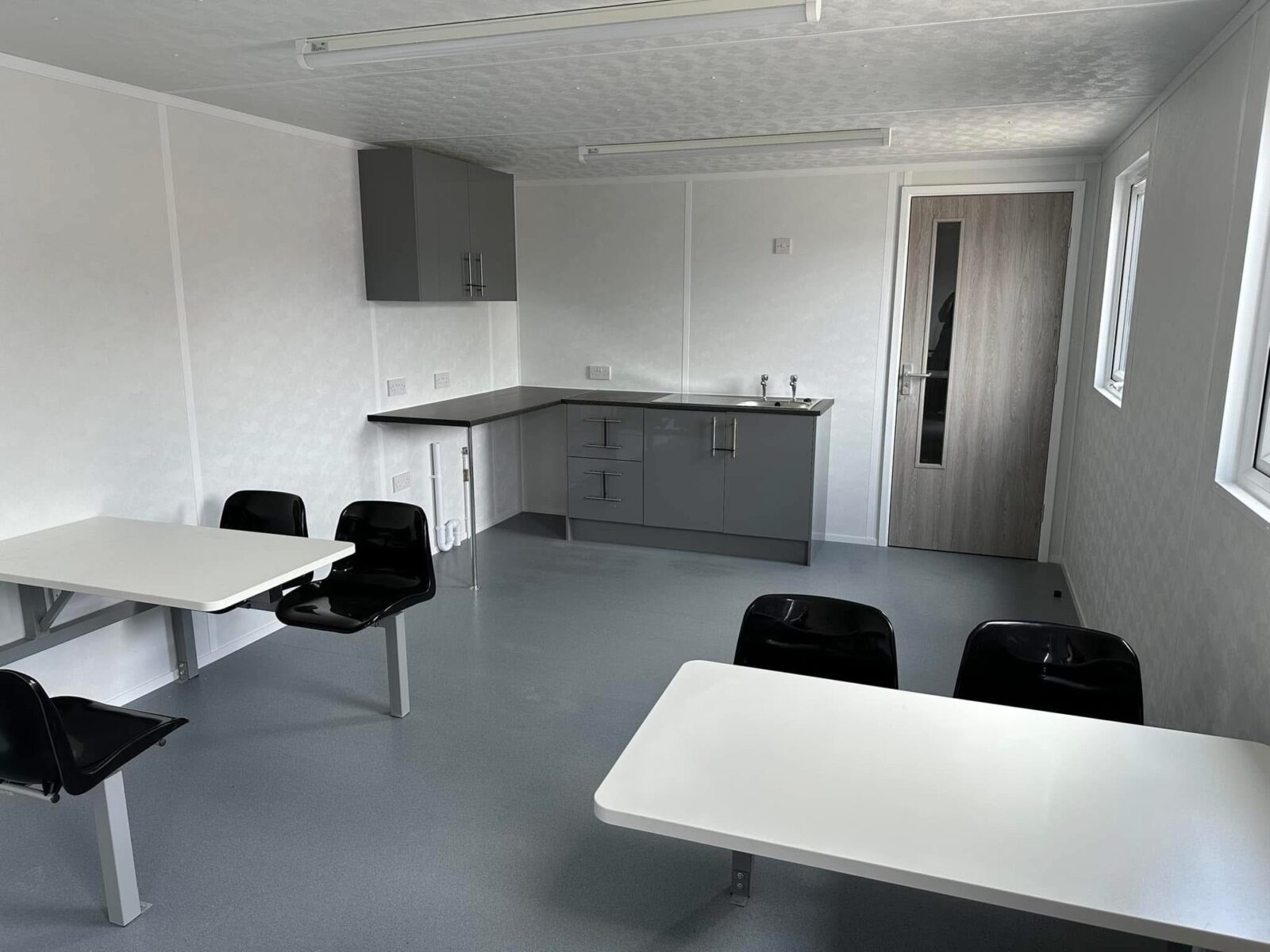
Portable cabins provide a practical and flexible solution for businesses needing additional space. Whether you’re installing a site office, welfare facility, storage unit or temporary workspace, one of the first questions you might have is: do portable cabins need foundations?
The answer is that most portable cabins require some form of stable, level support, but this doesn’t necessarily mean installing traditional concrete foundations.
Unlike conventional buildings, many portable cabins are designed to be installed with relatively straightforward ground preparation. However, the most suitable foundation arrangement will depend on the size and type of cabin, the ground conditions and how the building will be used.
In this guide, we’ll explain the different foundation options for portable cabins, what ground preparation may be required and the key considerations before installation.
Do All Portable Cabins Need Foundations?
Not all portable cabins require traditional foundations, but every cabin needs to be supported safely and securely.
A portable cabin must be positioned on a suitable base that can support its weight, distribute loads appropriately and maintain stability throughout its intended use.
Depending on the cabin and site conditions, this could involve concrete pads, a concrete slab, engineered support blocks or another suitable foundation system.
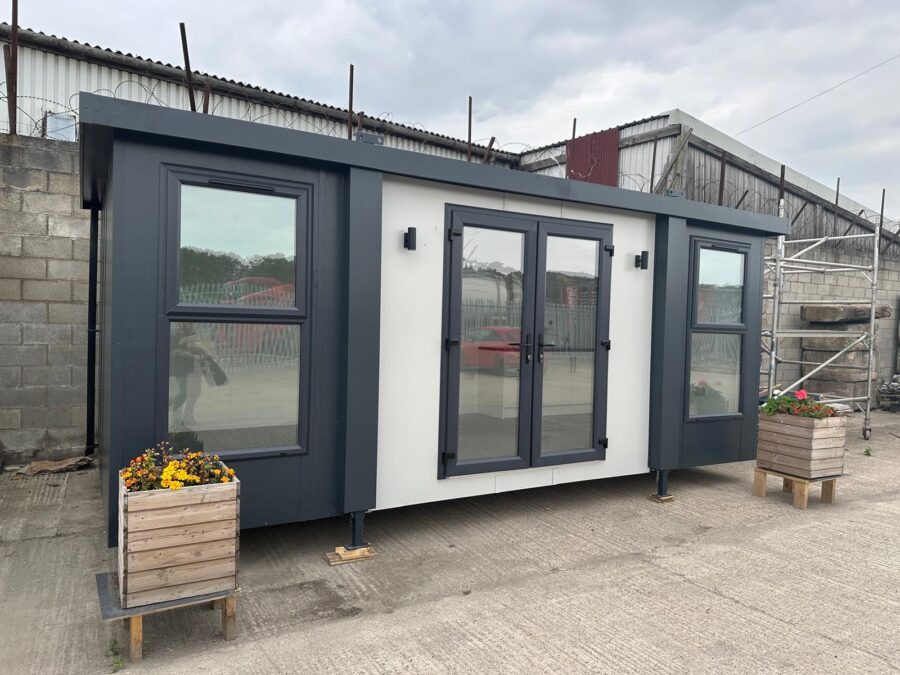
Some portable cabins, including certain jackleg cabins, are designed with adjustable support legs that can help accommodate minor variations in ground level.
However, adjustable legs don’t remove the need for suitable ground-bearing conditions or correctly designed support points.
The most appropriate solution should always be confirmed before installation.
Why Are Foundations Important for Portable Cabins?
Although portable buildings are designed to offer flexibility, the ground beneath them still plays an important role in their long-term performance.
Providing a Stable and Level Base
A suitable foundation helps keep the cabin level and prevents unwanted movement.
If a portable cabin is installed on unstable or poorly prepared ground, settlement could affect its doors, windows, internal finishes and overall performance.
Ensuring the building is correctly supported from the outset helps reduce the risk of these problems developing.
Distributing the Weight of the Building
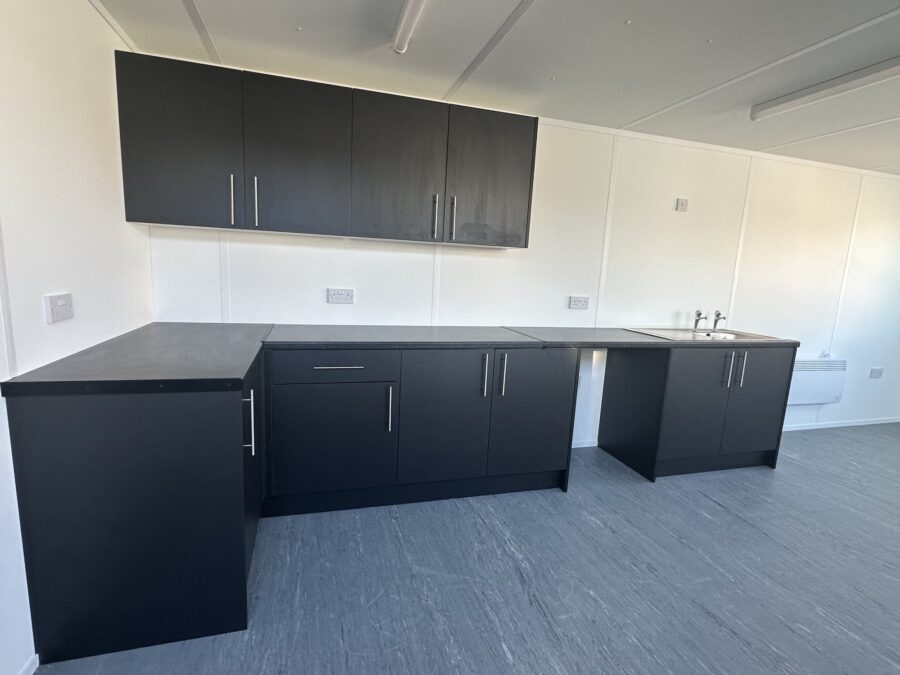
Portable cabins can be surprisingly substantial, particularly when fitted with offices, toilets, kitchens, heating systems and other facilities.
The foundations must be capable of supporting the cabin’s weight alongside the loads associated with its intended use.
Larger or more complex buildings may require additional consideration of the ground’s load-bearing capacity.
Supporting Long-Term Durability
Even a cabin intended for temporary use needs a reliable base.
Poor ground preparation can contribute to uneven settlement, drainage problems and difficulties maintaining the building.
A suitable foundation arrangement can help protect your investment and support the cabin’s performance throughout its lifespan.
What Types of Foundations Are Used for Portable Cabins?
There are several ways to support a portable cabin. The most suitable option depends on the building specification, the site and the expected duration of use.
1. Concrete Pads
Concrete pads are commonly considered for portable cabin installations.
Rather than covering the entire footprint of the building with concrete, individual pads can be positioned beneath designated support points.
This approach may be suitable for certain portable cabins, provided the pads and supporting ground are designed to carry the required loads.
Concrete pads can offer a stable and durable support arrangement without necessarily requiring a full concrete slab.
However, their size, depth, position and reinforcement requirements should be established for the specific installation.
2. Concrete Slabs
A concrete slab provides a continuous, solid base beneath a portable building.
This can be an appropriate solution for buildings intended to remain in place for extended periods or where the building specification requires a continuous foundation.
Concrete slabs may also be considered for larger buildings, installations with particular loading requirements or sites where a permanent hardstanding is desirable.
Although a slab can involve more groundwork than individual support pads, it may provide practical benefits depending on the project.
It’s important to remember that a concrete slab isn’t automatically required for every portable cabin.
3. Engineered Support Blocks or Other Foundation Systems
Some portable cabins can be installed using appropriately specified support blocks or alternative foundation systems.
These solutions may be useful where a relatively straightforward installation is required.
However, their suitability depends on the cabin’s support requirements, the loads involved and the condition of the ground.
Support blocks should never simply be placed on soft or unstable ground without checking that the arrangement is suitable.
4. Adjustable Jackleg Supports
Jackleg cabins are a popular type of portable building, particularly for construction sites and other commercial applications.
They feature adjustable legs that can assist with levelling the cabin during installation.
This can be useful where the ground has minor variations in height.
However, the legs still need to bear onto suitable supporting surfaces, and the complete installation must be stable.
Jacklegs help with levelling, but they are not a substitute for proper ground preparation.
Can You Put a Portable Cabin Directly on Grass?
Installing a portable cabin directly onto grass or untreated soil is generally not recommended without an appropriate foundation or support system.
Grass-covered ground may appear firm, but its ability to support a building can change depending on rainfall, soil composition and seasonal conditions.
Soft ground can lead to settlement, while poor drainage may create additional problems around the building.
Before installing a cabin on a grassed area, the site should be assessed to determine what preparation is required.
This could involve removing topsoil, installing a suitable sub-base, providing engineered support points or carrying out other groundwork.
The correct approach will depend on the individual site.
What Ground Preparation Is Needed Before Installing a Portable Cabin?
Preparing the installation area is an important part of any portable cabin project.
Although the precise requirements vary, there are several factors worth considering before delivery.
Ground Conditions
The ground must be capable of supporting the cabin and its intended use.
Different soil types have different load-bearing characteristics, and previously disturbed or filled ground may require additional assessment.
Where there is uncertainty about the ground’s suitability, professional advice may be needed.
Levelling the Site
A portable cabin should be installed in accordance with the manufacturer’s levelling and support requirements.
Uneven ground can make installation more difficult and may affect the building’s performance.
Some adjustable support systems can accommodate limited variations in level, but significant differences may require groundwork.
Drainage
Effective drainage helps prevent water collecting beneath or around the building.
Standing water can contribute to ground deterioration and create problems with access and maintenance.
The installation should therefore take account of surface water and the surrounding ground levels.
Delivery and Access
It’s also important to consider how the portable cabin will reach its final position.
Many portable cabins are delivered using specialist transport and lifting equipment.
Access restrictions, overhead cables, nearby buildings, soft ground and available lifting space can all influence the installation process.
Planning these requirements early can help avoid unexpected delays.
Do Temporary Portable Cabins Need the Same Foundations as Permanent Buildings?
Not necessarily.
A portable cabin intended for short-term use may have different foundation requirements from a building designed to remain in place for many years.
However, the duration of use isn’t the only consideration.
The building’s size, weight, structural design, location and intended occupancy all influence the foundation requirements.
A temporary building still needs to be safe and stable.
Similarly, a portable cabin intended for long-term use doesn’t automatically require a full concrete slab if another foundation arrangement is suitable.
The foundation should be selected according to the actual project requirements rather than simply whether the building is described as temporary or permanent.
Do Portable Cabin Foundations Require Planning Permission?
Foundation work can form part of a wider development that requires planning permission.
Whether permission is needed depends on factors such as the proposed use, location, size of the building and relevant planning rules.
The fact that a cabin is portable doesn’t automatically mean it is exempt from planning requirements.
Building Regulations may also apply depending on the nature and use of the building.
Before proceeding with an installation, it’s sensible to establish whether planning permission, Building Regulations approval or other consents are required.
For more complex projects, professional advice can help ensure the building and its foundations are designed appropriately.
How Much Do Portable Cabin Foundations Cost?
The cost of preparing foundations for a portable cabin can vary considerably.
A relatively straightforward installation on suitable ground may require less extensive preparation than a larger building on a challenging site.
Factors influencing the cost include the size and weight of the cabin, existing ground conditions, the type of foundation required, drainage, access for machinery and any necessary excavation.
For this reason, it’s difficult to provide a meaningful universal price without understanding the project.
When budgeting for a portable cabin, it’s worth considering ground preparation and installation alongside the cost of the building itself.
This provides a more realistic picture of the overall project investment.
Can Portable Cabins Be Relocated After Installation?
One of the main advantages of portable cabins is that many are designed to be relocated when business requirements change.
However, relocation will usually involve more than simply lifting the building and moving it elsewhere.
The new location will need to be assessed and prepared, with suitable support arrangements established before the cabin is installed.
Any electrical, water or drainage connections will also need to be safely disconnected and reconnected as appropriate.
The feasibility of relocating a cabin depends on its design, condition and the practical requirements of the move.
For businesses anticipating future relocation, it’s worth discussing this at the initial planning stage.
Choosing the Right Foundation for Your Portable Cabin
There isn’t a single foundation solution that works for every portable cabin.
A small site office may have different support requirements from a larger welfare building or a portable cabin fitted with toilets and kitchen facilities.
The best approach is to consider the building and the installation site together.
Before making a decision, establish the cabin’s dimensions and support requirements, assess the ground conditions and consider how long the building will remain in place.
You should also account for delivery access, drainage, utility connections and any relevant planning or regulatory requirements.
Discussing these details with your portable building supplier early in the process can help you identify a suitable installation approach.
Portable Cabins from Spacemaker Modular & Portable Buildings
At Spacemaker Modular & Portable Buildings, we provide practical portable building solutions for a wide range of commercial and industrial applications.
From portable offices and site accommodation to welfare facilities and other bespoke buildings, our range offers flexible options to suit different requirements.
If you’re considering a new portable cabin, it’s important to understand the installation requirements before proceeding.
Our team can discuss your proposed building, its intended use and the information needed to help plan a suitable installation.
Looking for a portable cabin for your business? Contact Spacemaker Modular & Portable Buildings to discuss your requirements and explore the available options.
Frequently Asked Questions
Can a portable cabin be installed without concrete foundations?
Yes, some portable cabins can be installed without traditional concrete foundations. However, they still require suitable support, and the installation arrangement must be appropriate for the cabin and ground conditions.
Do jackleg cabins need concrete pads?
Not always. Jackleg cabins require suitable bearing surfaces beneath their support legs, but the precise foundation arrangement depends on the building specification and site conditions.
Can a portable cabin sit on paving slabs?
Ordinary paving slabs should not automatically be assumed suitable for supporting a portable cabin. The complete support arrangement, including the slabs and ground beneath them, must be capable of safely carrying the required loads.
How level does the ground need to be for a portable cabin?
The cabin must be installed within the manufacturer’s specified tolerances. Some adjustable supports can accommodate minor differences in level, but more significant variations may require ground preparation.
Do portable cabins need foundations for long-term use?
Portable cabins intended for long-term use require foundations or support arrangements suitable for their expected loads and service life. This doesn’t necessarily mean a full concrete slab is required.
Portable Marketing Suites – Portable Canteen – Portable Security Huts – Portable Toilets