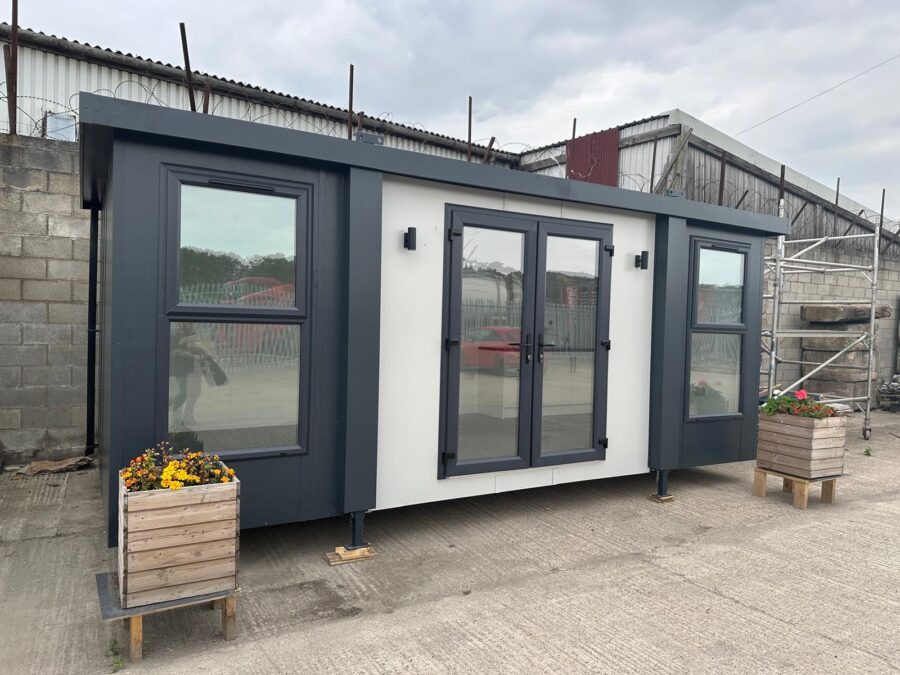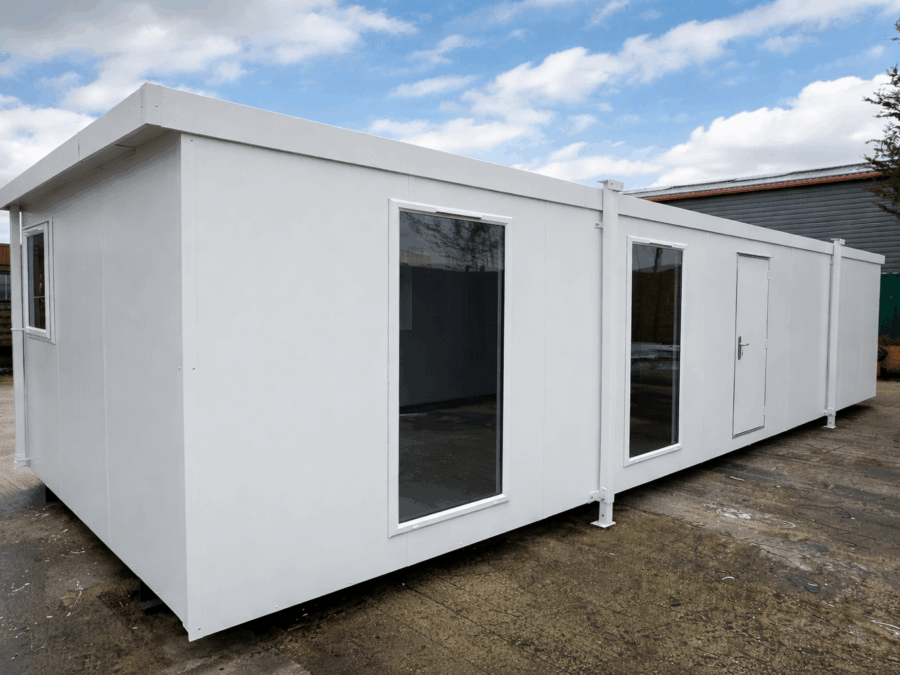
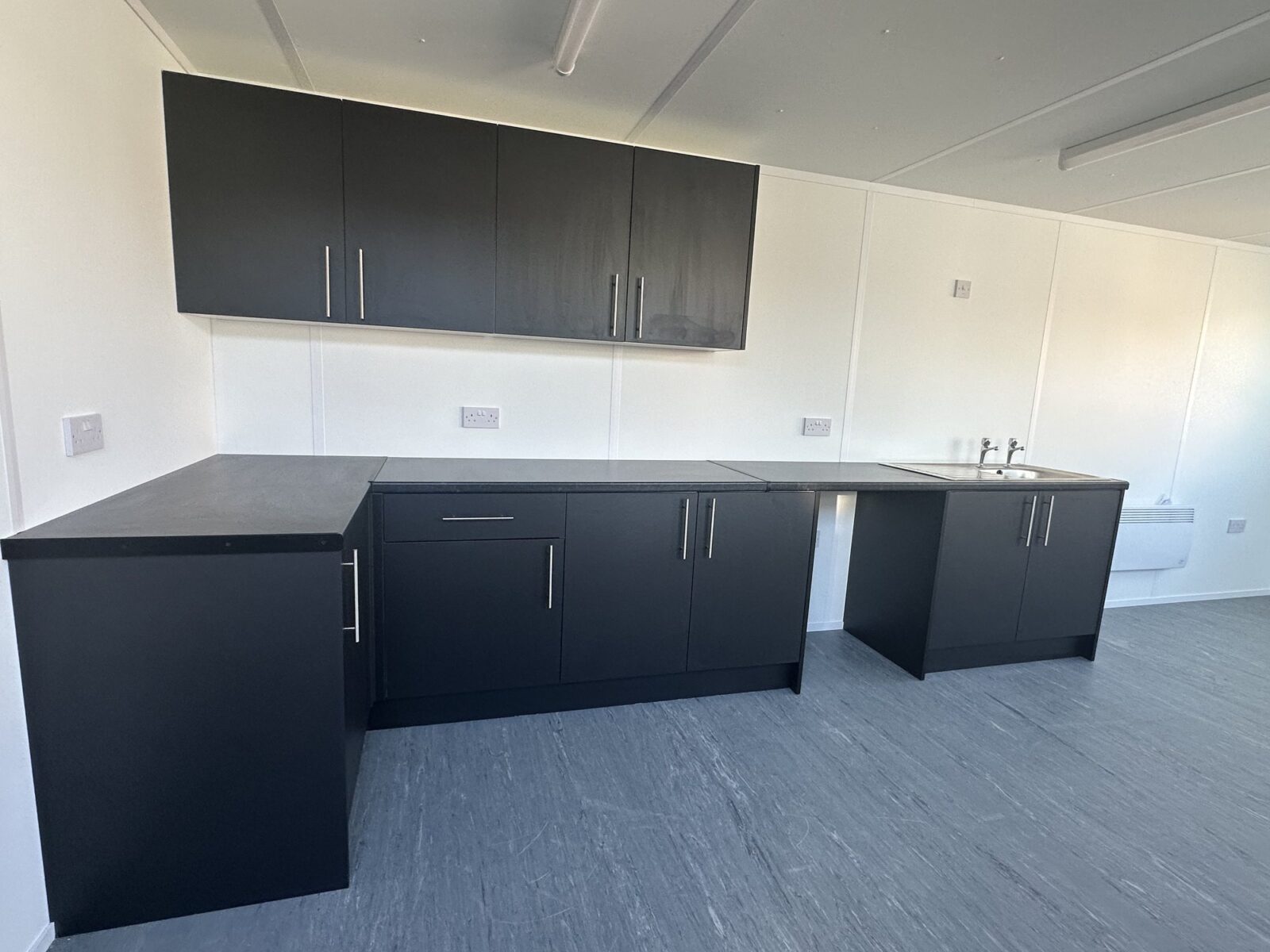
Portable cabins provide a practical way to create additional space for businesses, schools, construction sites and other organisations. Whether you need a new office, classroom, welfare facility or secure storage building, portable accommodation can often be delivered and installed much faster than traditional construction.
However, before purchasing a Portable cabin, there’s an important question to consider: do you need planning permission?
In many cases, the answer is yes. However, certain temporary buildings and installations may qualify for permitted development rights, depending on where they are located and how they will be used.
Understanding the requirements early can help avoid delays, unexpected costs and potential planning issues.
In this guide, we’ll explain when planning permission may be required for portable cabins, the rules surrounding temporary buildings and what to consider before installation.
This guide focuses primarily on planning rules in England. Requirements differ across Scotland, Wales and Northern Ireland.
Do Portable Cabins Need Planning Permission?
Portable cabins will often require planning permission, particularly when they are intended for long-term use or provide additional accommodation on commercial premises.
However, there isn’t a single rule that applies to every portable building.
Whether permission is required can depend on several factors, including:
- The building’s size and location
- How long it will remain on site
- Its intended use
- Whether the land already has planning permission
- Whether permitted development rights apply
- Any restrictions affecting the property or surrounding area
The fact that a building is portable does not automatically mean it is exempt from planning permission.
Even a cabin that can be moved or removed relatively easily may still be treated as development for planning purposes.
Do Temporary Portable Cabins Need Planning Permission?
One of the most common misconceptions is that temporary buildings never require planning permission.
In reality, temporary use does not automatically create an exemption.
Certain temporary uses of land and associated moveable structures can qualify for permitted development rights under specific conditions.
However, these rights are not available for every site or situation.
The intended use, location and nature of the proposed installation all need to be considered.
If you’re planning to install a temporary portable cabin, it’s important to establish whether the relevant permitted development rights apply before proceeding.
Do Construction Site Cabins Need Planning Permission?
Portable cabins are widely used on construction sites as offices, canteens, welfare facilities, changing rooms and storage units.
In certain circumstances, temporary buildings associated with authorised construction work can benefit from permitted development rights.
For example, Part 4, Class A of the General Permitted Development Order provides rights for certain temporary buildings and structures required in connection with operations being carried out on the land or adjoining land.
These rights are subject to conditions and limitations.
Typically, qualifying temporary buildings must be removed once the relevant operations have finished.
This can make portable cabins particularly practical for construction projects, where accommodation is needed for a defined period before being relocated or removed.
However, not every construction site cabin automatically qualifies, so the planning position should still be checked.
Do Portable Offices Need Planning Permission?
Portable offices are a popular solution for businesses that need additional workspace.
They can be installed alongside existing premises or used to create new office accommodation on a separate part of a site.
Planning permission may be required where the building creates additional commercial floorspace or represents a material change in the use of the land.
The position will depend on the existing planning use, the proposed development and any applicable permitted development rights.
For example, adding a portable office to an industrial site may have different planning implications from placing a new office building on previously undeveloped land.
If you’re considering a portable office, it’s worth checking the planning position before finalising the location and building specification.
Do Portable Classrooms Need Planning Permission?
Schools and education providers often use portable classrooms to create additional teaching space.
This can be particularly useful when pupil numbers increase or existing buildings are being refurbished.
However, portable classrooms may still require planning permission.
The requirements can depend on the location, building size, proposed use and any permitted development rights available to the education provider.
Additional considerations may include accessibility, fire safety, external access, drainage and the relationship between the new building and existing school facilities.
Planning requirements should be investigated early, particularly where the additional accommodation is needed before the start of a new academic year.
Do Portable Welfare Cabins Need Planning Permission?
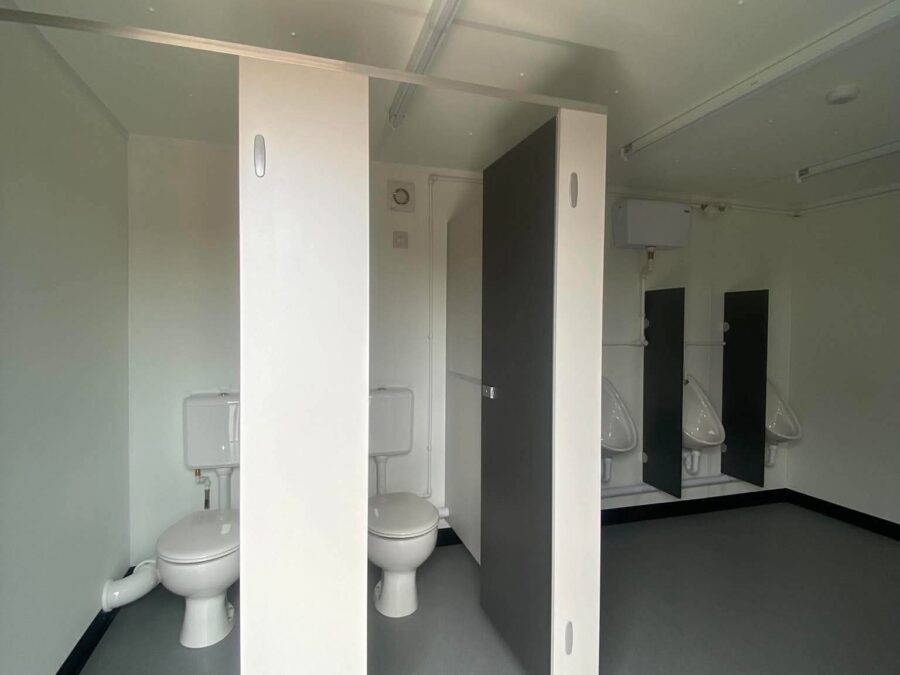
Portable welfare cabins provide facilities such as canteens, toilets, changing rooms, showers and rest areas.
They are commonly used by construction companies, industrial businesses and organisations operating from temporary or remote locations.
Whether planning permission is required depends on the circumstances.
A welfare cabin supporting authorised construction works may be treated differently from a permanent welfare building installed at an established commercial premises.
The duration of use, location and relationship to existing operations will all be relevant.
Does the Size of a Portable Cabin Affect Planning Permission?
Yes, building size can influence planning requirements, but it is not the only consideration.
A smaller portable cabin is not automatically exempt from planning permission.
The building’s location, intended use and relationship to existing development can be just as important as its dimensions.
For example, a relatively small cabin used as an independent commercial office may have different planning implications from an ancillary building within an existing site.
Rather than assuming a particular cabin size is permitted, it’s better to confirm the planning requirements for the proposed installation.
What Are Permitted Development Rights?
Permitted development rights allow certain types of development to take place without submitting a full planning application, provided specific conditions are met.
In England, these rights are set out in the Town and Country Planning (General Permitted Development) (England) Order 2015, as amended.
Some permitted development rights relate to temporary buildings and uses, while others apply to particular types of premises or development.
However, permitted development rights can be restricted or removed in certain circumstances.
This means that even where a project appears to qualify, the specific conditions need to be checked.
Do Portable Cabins Need to Meet Building Regulations?
Planning permission and Building Regulations are two separate matters.
Planning permission considers whether a proposed development is acceptable in its location.
Building Regulations address technical requirements relating to matters such as structural safety, fire safety, energy efficiency, ventilation and accessibility.
Depending on the building and its intended use, Building Regulations approval may be required even where planning permission is not.
Some temporary buildings may qualify for specific exemptions, but these depend on the circumstances and should not be assumed.
It’s important to establish both the planning and Building Regulations requirements before installation.
How Do You Apply for Planning Permission for a Portable Cabin?
If planning permission is required, an application will usually be submitted to the relevant local planning authority.
The information required will depend on the nature of the project, but may include:
- Site location plans
- Proposed building drawings
- Building dimensions
- Details of the intended use
- Access arrangements
- Drainage information
- External appearance and materials
- Supporting reports where necessary
For larger or more complex projects, additional information may be required.
The local planning authority will assess the proposal against relevant planning policies and other considerations.
How Long Does Planning Permission Take?
Planning approval timescales depend on the complexity of the application and the local planning authority.
In England, the normal statutory determination period is generally eight weeks for most non-major applications and 13 weeks for major applications, although extensions and delays can occur.
The application must also be validated before the determination period begins.
If planning permission is needed, it’s sensible to allow sufficient time within the overall modular building project programme.
Early discussions with the local planning authority can help identify potential issues before an application is submitted.
What Happens If You Install a Portable Cabin Without Planning Permission?
Installing a portable cabin without the necessary planning permission can create problems.
If the development requires permission and has been carried out without it, the local planning authority may investigate and consider enforcement action.
Depending on the circumstances, this could result in a requirement to submit a retrospective application, make changes or remove the building.
Retrospective planning permission is not guaranteed.
For businesses investing in additional accommodation, confirming the planning position before installation is generally the safer and more cost-effective approach.
How Can You Check Whether Your Portable Cabin Needs Planning Permission?
The best starting point is to contact your local planning authority or seek advice from a suitably qualified planning professional.
Before making an enquiry, it helps to have a clear understanding of:
- Where the cabin will be installed
- Its approximate dimensions
- What it will be used for
- How long it will remain on site
- Whether it will connect to existing buildings
- Whether the site has existing planning permissions or restrictions
You can also use the Planning Portal to find guidance on planning applications and permitted development rights.
Where appropriate, a Lawful Development Certificate may provide formal confirmation that a proposed development is lawful without a full planning permission application.
Frequently Asked Questions
Can I put a portable cabin on commercial land without planning permission?
Possibly, but it depends on the proposed use, the site’s existing planning status and whether permitted development rights apply. Commercial ownership alone does not create an exemption.
Does a portable cabin need planning permission if it has no foundations?
Not necessarily. The absence of conventional foundations does not automatically remove the need for planning permission. The building’s use, location, permanence and other characteristics can all be relevant.
Can I install a portable cabin temporarily while my building is refurbished?
Potentially, although planning permission may still be required. The temporary nature of the installation is relevant, but it does not automatically mean the development is exempt.
Can a portable cabin be used permanently?
Yes. Many portable and modular buildings are suitable for long-term use, provided they are appropriately designed and comply with the relevant planning and building requirements.
Who is responsible for obtaining planning permission?
The responsibility for ensuring that the development has the necessary permissions generally rests with those undertaking or responsible for the development. A planning consultant or other appointed professional can assist with the application process.
Planning Your Portable Building with Spacemaker
At Spacemaker Modular & Portable Buildings, we understand that choosing the right building involves more than simply deciding on its size and layout.
Site conditions, access, intended use and project timescales all play an important role.
Whether you’re looking for a portable office, classroom, welfare facility, anti-vandal cabin or a larger modular building, our team can help you explore suitable building options based on your requirements.
Establishing the planning position early can help your project progress more smoothly and reduce the risk of delays.
Looking for a Portable Cabin?
So, do you need planning permission for a portable cabin?
In many cases, yes. However, some temporary buildings and installations may qualify for permitted development rights depending on their location, intended use and the specific circumstances.
The most important thing is not to assume that a building is exempt simply because it is portable or temporary.
If you’re considering a portable building for your business or organisation, contact Spacemaker Modular & Portable Buildings today to discuss your requirements and explore the available options.
Please note: This article provides general information about planning requirements in England and is not a substitute for professional planning or legal advice. Always confirm the requirements for your project with the relevant local planning authority.
Portable Cabins – Portable Buildings – Portable Marketing Suites – Portable Toilet Cabins – Portable Office cabins – Portable Canteen