As businesses, schools and organisations continue to prioritise sustainability, energy efficiency has become one of the most important considerations when investing in new buildings. Rising energy costs, stricter environmental regulations and ambitious carbon reduction targets mean organisations are looking for smarter ways to reduce both their environmental impact and operating expenses.
Modern Modular Buildings have evolved significantly over the past few decades. Far from the temporary structures many people still associate with Portable accommodation, today’s Modular Buildings are designed to deliver outstanding thermal performance, lower energy consumption and long-term durability.
But just how energy efficient are Modular Buildings? In this guide, we’ll explore why modular construction is considered one of the most sustainable and cost-effective building methods available.
What Is a Modular Building?
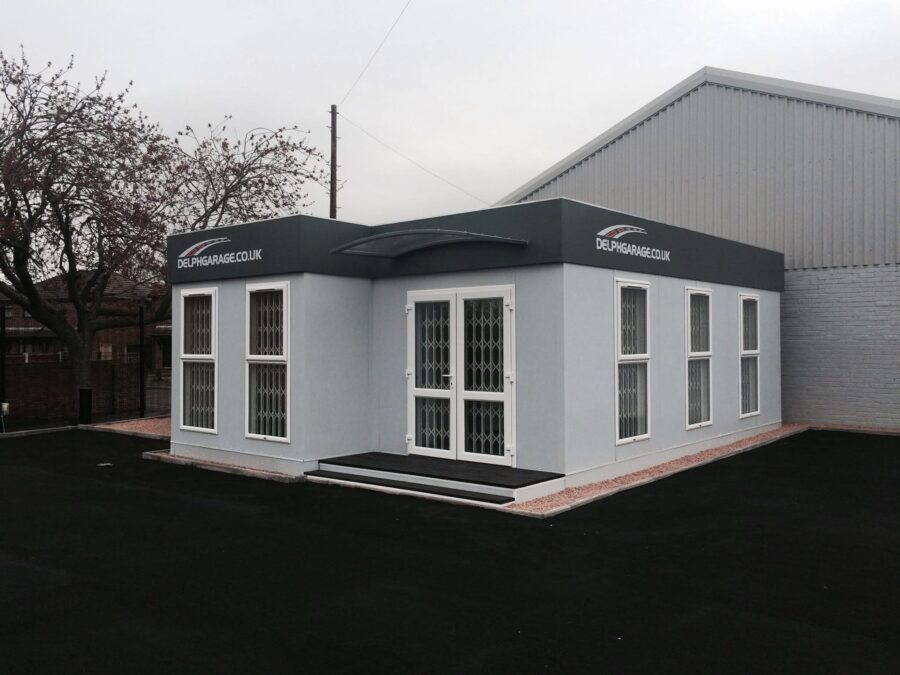
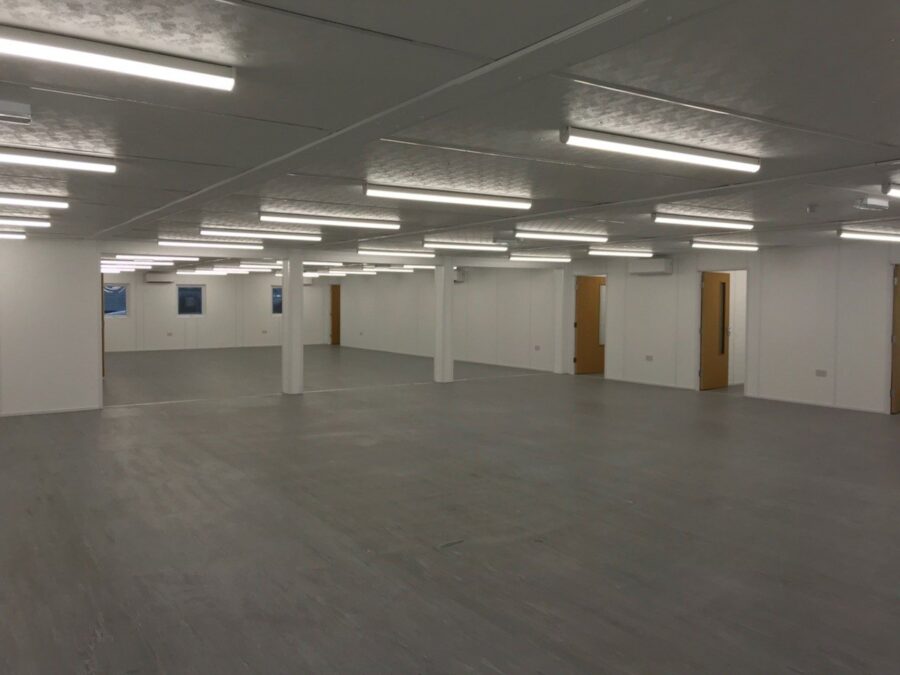
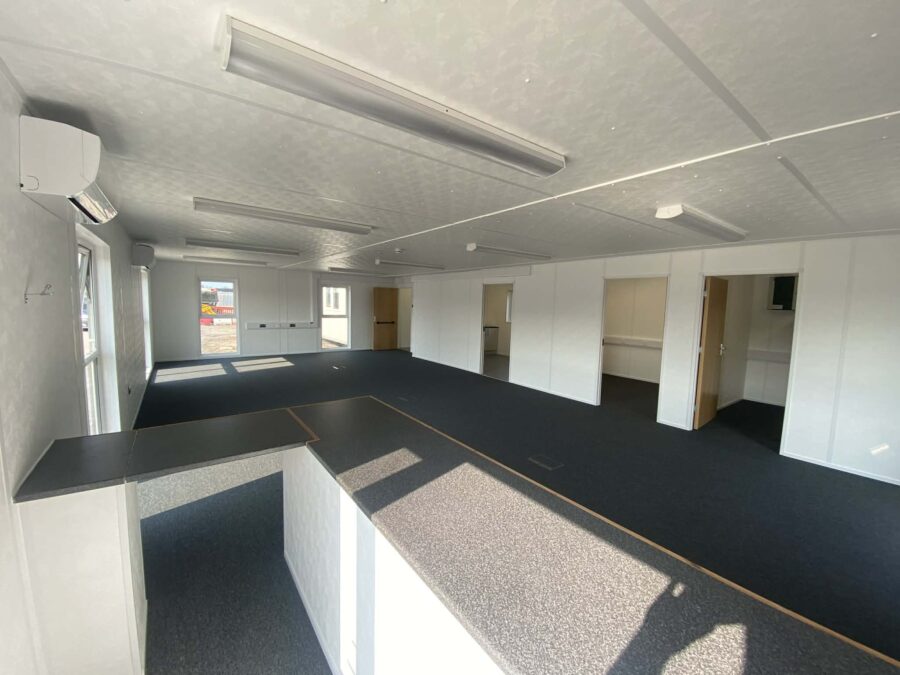
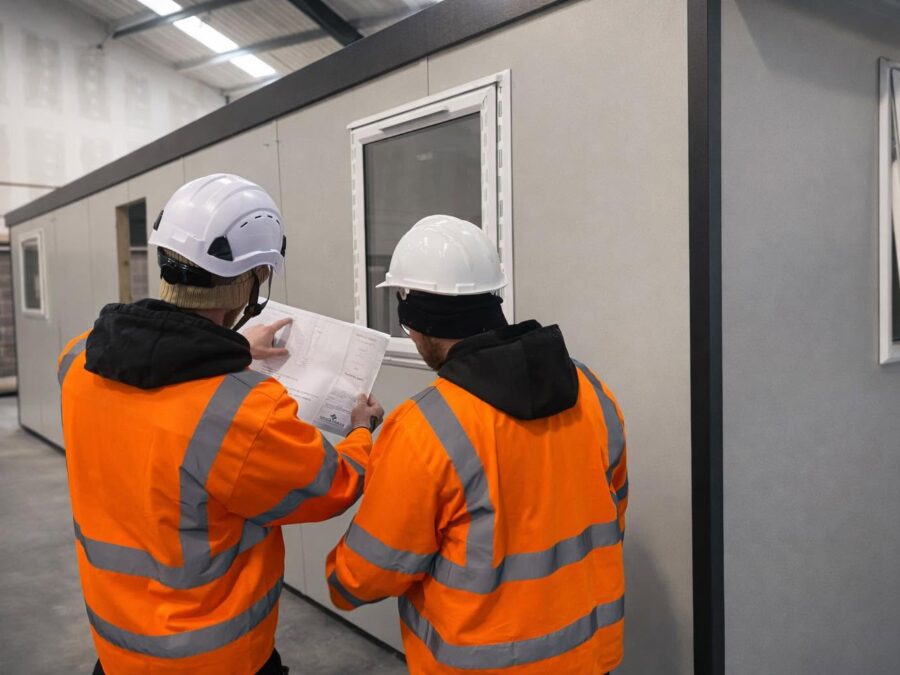
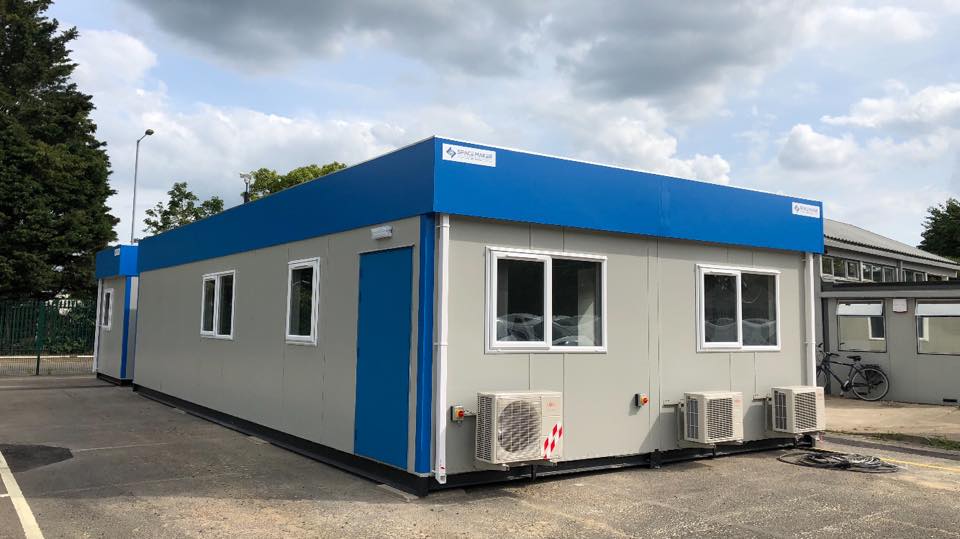
A Modular Building is manufactured in sections, or modules, within a controlled factory environment before being transported to the site for installation.
Once assembled, Modular Buildings provide the same functionality, appearance and lifespan as traditionally constructed buildings. They are used across a wide range of sectors, including:
- Education
- Healthcare
- Construction
- Commercial offices
- Industrial facilities
- Retail
- Public sector organisations
Because much of the construction process takes place in a factory, quality control is significantly improved, helping to create buildings that perform exceptionally well in terms of energy efficiency.
Why Energy Efficiency Matters
Energy-efficient buildings don’t just benefit the environment, they also make good business sense.
Lower energy consumption can help organisations:
- Reduce heating and cooling costs
- Lower carbon emissions
- Improve sustainability credentials
- Create more comfortable working environments
- Meet environmental targets
- Reduce long-term operating costs
For many organisations, investing in an energy-efficient building is a decision that continues to deliver financial benefits for many years.
Superior Factory-Controlled Construction
One of the biggest reasons Modular Buildings are so energy efficient is the way they are manufactured.
Unlike traditional construction, which can be affected by poor weather and varying site conditions, modular buildings are produced indoors using carefully controlled manufacturing processes.
This allows for:
- Greater construction accuracy
- Consistent quality control
- Better sealing of joints
- Reduced material waste
- Improved insulation performance
The result is a building envelope that performs more efficiently, helping to retain heat during winter and keep interiors cooler during summer.
High Levels of Insulation
Insulation plays a vital role in reducing energy consumption.
Modern Modular Buildings are designed using high-performance insulation materials within walls, roofs and floors to minimise heat loss.
Effective insulation offers several benefits:
- Reduced heating requirements
- Improved temperature control
- Greater occupant comfort
- Lower energy bills
- Reduced environmental impact
Combined with quality windows and doors, good insulation creates an energy-efficient building that remains comfortable throughout the year.
High-Performance Windows and Doors
Windows and doors are often responsible for significant heat loss in older buildings.
Modern Modular Buildings can be fitted with:
- Double glazing
- Triple glazing
- Thermally efficient door systems
- High-quality seals
- Low-emissivity (Low-E) glass
These features help retain warmth during colder months while reducing unwanted solar heat gain during summer.
Energy-Efficient Heating and Cooling Systems
The efficiency of a building isn’t determined solely by its construction. Heating, cooling and ventilation systems also play an important role.
Many Modular Buildings can incorporate:
- Air source heat pumps
- Energy-efficient electric heating
- Smart thermostatic controls
- Mechanical ventilation systems
- Heat recovery technology
- Air conditioning where required
These systems help maintain comfortable indoor temperatures while reducing energy consumption.
Maximising Natural Light
Good building design can also reduce the need for artificial lighting.
Modular Buildings are often designed with large windows and glazed entrance areas to maximise natural daylight.
Benefits include:
- Lower electricity usage
- Reduced lighting costs
- Improved working environments
- Increased occupant wellbeing
- Enhanced productivity
For offices, classrooms and healthcare facilities, access to natural light can make a significant difference to both energy performance and user experience.
Sustainable Construction Methods
Modular construction is widely recognised as one of the most sustainable methods of building.
Because components are manufactured in a factory environment, waste can be carefully managed and materials used more efficiently.
Compared with traditional construction, Modular Buildings typically generate:
- Less construction waste
- Reduced site disruption
- Fewer vehicle movements
- Lower embodied carbon
- Improved material efficiency
These environmental benefits extend well beyond the building’s operational energy performance.
Built for Long-Term Performance
Some people mistakenly assume Modular Buildings are only suitable for temporary use.
In reality, modern Modular Buildings are engineered to provide decades of reliable service.
High-quality construction materials, durable finishes and robust structural systems help maintain energy performance throughout the building’s lifespan, provided routine maintenance is carried out.
This makes Modular construction a sound long-term investment for many organisations.
Can Renewable Technologies Be Added?
Absolutely.
Many Modular Buildings can be designed to incorporate renewable energy technologies such as:
- Solar photovoltaic (PV) panels
- Battery storage systems
- Air source heat pumps
- Electric vehicle charging points
- Smart energy management systems
These technologies can further reduce running costs while helping organisations move towards net-zero carbon goals.
Lower Lifetime Running Costs
While initial project costs are always important, it’s equally valuable to consider the total cost of ownership.
An energy-efficient Modular Building can provide savings through:
- Reduced utility bills
- Lower maintenance costs
- Improved durability
- Longer building lifespan
- Reduced carbon taxes and environmental costs
- Increased operational efficiency
Over many years, these savings can represent a significant return on investment.
Can Modular Buildings Meet Modern Building Standards?
Yes.
Modern Modular Buildings are designed to comply with current UK Building Regulations and can achieve excellent standards of thermal efficiency and environmental performance.
Depending on the project requirements, Modular Buildings can also be designed to support sustainability objectives and meet sector-specific performance standards.
Working with an experienced Modular Building provider ensures your building is designed with both compliance and long-term efficiency in mind.
Why Choose Spacemaker Modular & Portable Buildings?
At Spacemaker Modular & Portable Buildings, we’ve been delivering high-quality modular building solutions across the UK for more than 30 years.
Our buildings are designed with durability, efficiency and long-term value at their core. Whether you’re investing in a Modular office, classroom, welfare facility, healthcare building or commercial workspace, we can provide a solution that balances performance, flexibility and sustainability.
Our experienced team will work with you to create a building that not only meets your operational requirements but also helps reduce ongoing energy costs for years to come.
Discover the Benefits of Energy-Efficient Modular Buildings
Energy efficiency is no longer simply a desirable feature, it’s an essential consideration for organisations looking to reduce costs, improve sustainability and create comfortable environments for staff, customers and visitors.
Modern Modular Buildings combine innovative design, high-performance materials and efficient manufacturing processes to deliver buildings that are both environmentally responsible and economical to operate.
If you’re planning your next building project, contact Spacemaker Modular & Portable Buildings today to learn how our modular solutions can help you create an energy-efficient space that’s built for the future.
Modular Buildings – Modular Offices – Modular Classrooms – Modular Nursery Buildings – Modular Classrooms