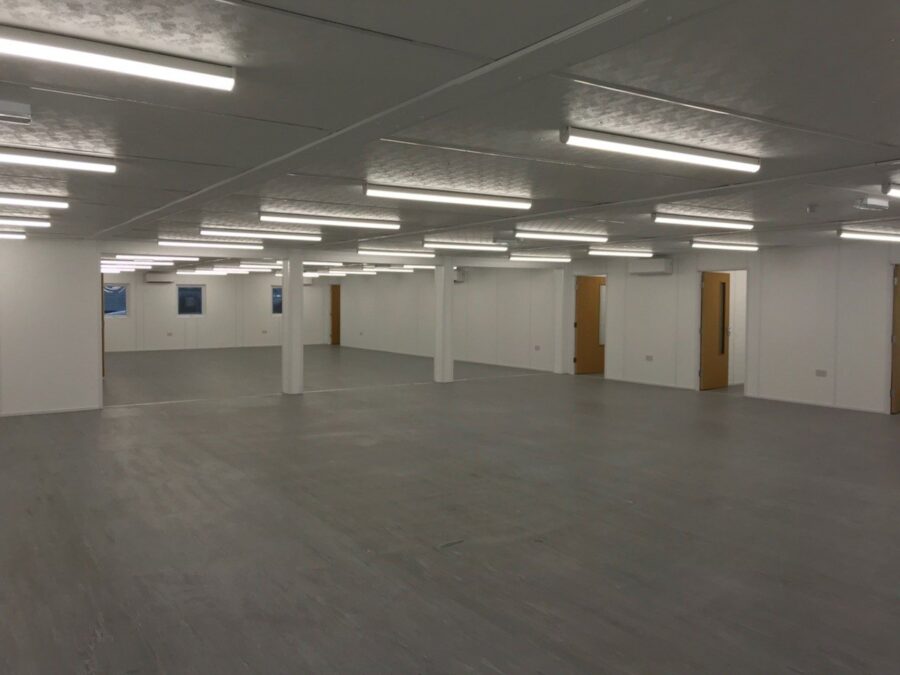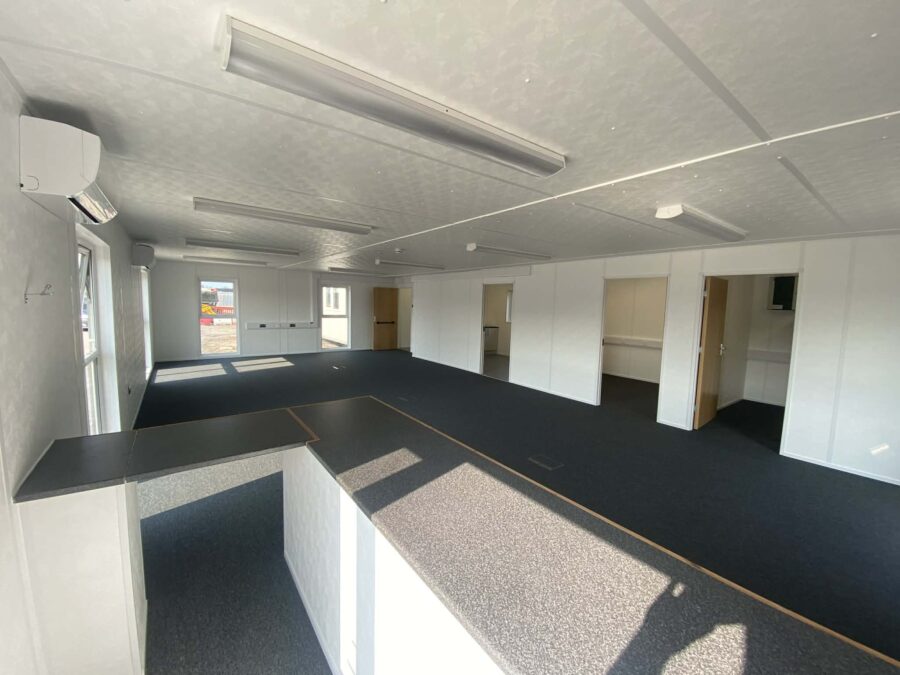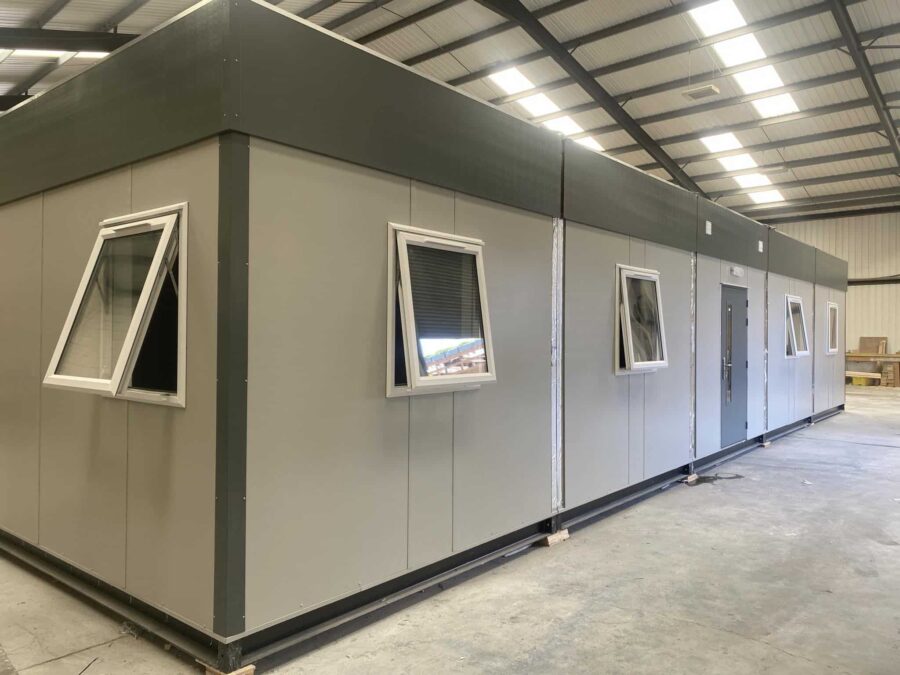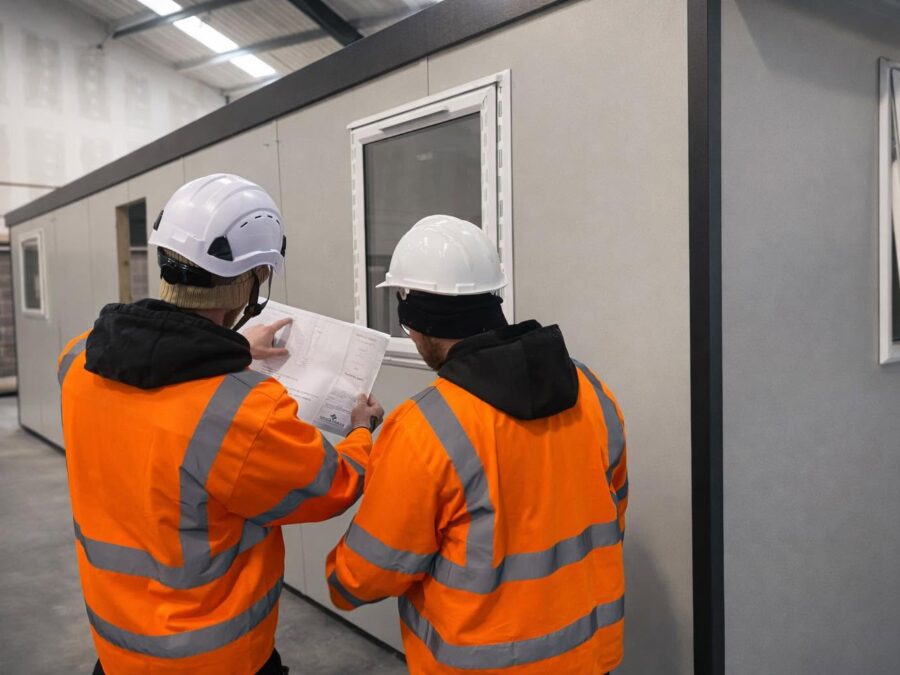
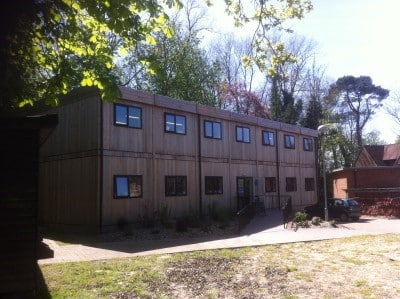
Growing pupil numbers are a positive sign for any school, but they can also create significant challenges. When existing classrooms reach capacity, schools need to find additional space quickly without compromising the quality of the learning environment.
Traditional construction projects can take months or even years to plan and complete. For schools facing immediate pressure on space, this may simply be too slow. Temporary classroom solutions offer a faster, more flexible alternative, allowing schools to create additional teaching spaces while adapting to changing pupil numbers and future requirements.
From single Portable Classrooms to larger Modular Building teaching blocks, modern temporary classroom buildings can provide bright, comfortable, and practical learning environments for pupils and staff.
In this guide, we explore the different temporary classroom solutions available and what schools should consider when planning additional educational space.
Why Do Schools Need Temporary Classrooms?
There are many reasons why a school may suddenly require additional classroom capacity.
Common situations include:
- Rising pupil numbers
- New housing developments in the local area
- Changes to school catchment areas
- Temporary refurbishment works
- Replacement of ageing buildings
- Unexpected increases in admissions
- Expansion of specialist educational provision
- Short-term accommodation during a larger construction project
In many of these situations, waiting for a permanent traditionally constructed extension may not be practical.
Temporary classroom buildings allow schools to respond quickly while maintaining suitable teaching environments.
What Are Temporary Classroom Buildings?
Temporary classroom buildings are purpose-designed educational spaces that can be installed more quickly than traditionally constructed buildings.
They are commonly manufactured off-site before being transported to the school for installation. Depending on the project, they can provide anything from a single additional classroom to a complete multi-room teaching facility.
Modern temporary classrooms can include:
- General teaching classrooms
- ICT suites
- Science rooms
- SEN and SEND spaces
- Nursery classrooms
- Staff rooms
- Offices
- Toilet facilities
- Storage areas
- Breakout spaces
This flexibility allows schools to create accommodation that closely matches their operational and educational requirements.
Portable Classrooms for Immediate Space Requirements
Portable Classrooms can be an excellent option where schools need additional teaching space quickly.
A standalone portable classroom can provide additional capacity without requiring major changes to the existing school building.
These buildings are particularly useful for:
- Short-term pupil increases
- Temporary decant accommodation
- Refurbishment projects
- Additional intervention spaces
- Small group teaching
- Specialist support rooms
Because Portable Classrooms can be relocated, they also offer valuable flexibility where future requirements remain uncertain.
Modular Classrooms for Larger Expansion Projects
Where schools require several additional classrooms, modular construction can provide a highly effective solution.
Modular Classroom Buildings are manufactured in individual sections before being delivered and assembled on site.
They can be configured to create:
- Multi-classroom teaching blocks
- Two-storey education buildings
- Nursery facilities
- Sixth form accommodation
- Specialist teaching areas
- Administrative offices
- Complete standalone school buildings
This makes modular construction suitable for both temporary requirements and substantial long-term expansion projects.
Faster Delivery Than Traditional Construction
One of the biggest advantages of Modular and Portable Classrooms is speed.
Traditional construction typically involves completing each stage of the project sequentially on site. Modular construction allows different parts of the project to progress simultaneously.
While foundations and site preparation are being completed, the building itself can be manufactured off-site.
This parallel approach can significantly reduce overall project timescales.
For schools working around term dates and holiday periods, faster delivery can be particularly valuable.
Reducing Disruption to Pupils and Staff
Construction work within an active school environment requires careful planning.
Noise, dust, vehicle movements and restricted access can all disrupt teaching and create additional safety considerations.
Because much of a modular classroom is manufactured away from the school site, on-site construction activity can be significantly reduced.
This can mean:
- Less noise
- Reduced dust
- Fewer construction vehicles
- Shorter installation periods
- Less disruption to teaching
- Improved site management
Where possible, major installation work can also be scheduled around school holidays to further minimise disruption.
Creating High-Quality Learning Environments
The word “temporary” should not mean compromising on quality.
Modern temporary classrooms can provide comfortable and attractive learning spaces designed to support both pupils and teachers.
Features may include:
- High levels of insulation
- Energy-efficient heating
- LED lighting
- Large windows
- Natural ventilation
- Acoustic insulation
- Durable flooring
- Modern internal finishes
These features help create classrooms that feel welcoming, comfortable and suitable for everyday teaching.
The Importance of Natural Light
Natural light can play an important role in creating a positive learning environment.
Portable and Modular Classrooms can be designed with carefully positioned windows and glazed doors to maximise daylight.
Benefits can include:
- Brighter classrooms
- Reduced reliance on artificial lighting
- More welcoming learning spaces
- Improved energy efficiency
When planning a temporary classroom, the building’s orientation and window placement should be carefully considered.
Accessibility and Inclusive Design
Schools must ensure that learning environments are accessible to pupils, staff and visitors.
Temporary classroom buildings can incorporate a range of accessibility features, including:
- Access ramps
- Level thresholds
- Wide doorways
- Accessible toilets
- Suitable circulation spaces
- Appropriate signage
Considering accessibility from the beginning of the project helps create an inclusive environment for everyone.
Temporary Classrooms for SEN and SEND Provision
Many schools require additional space to support pupils with special educational needs and disabilities.
Modular and portable buildings can be configured to create specialist spaces such as:
- Quiet rooms
- Sensory rooms
- Intervention spaces
- Therapy rooms
- Small-group teaching areas
- Dedicated support classrooms
The flexibility of modular construction allows layouts to be developed around the specific needs of pupils and staff.
Can Temporary Classrooms Include Toilets and Welfare Facilities?
Yes.
Temporary classroom buildings can be designed as complete standalone facilities rather than simply additional teaching rooms.
Depending on the project, buildings can include:
- Pupil toilets
- Accessible toilets
- Staff facilities
- Kitchenettes
- Changing areas
- Storage rooms
- Reception spaces
This can be particularly useful where a new classroom building is positioned away from the main school.
Are Temporary Classrooms Energy Efficient?
Modern Portable and Modular Classrooms can achieve excellent levels of energy efficiency.
Energy-saving features may include:
- High-performance insulation
- Double-glazed windows
- LED lighting
- Efficient heating systems
- Smart temperature controls
- Energy-efficient ventilation
A well-designed classroom can help schools reduce energy consumption while maintaining a comfortable environment throughout the year.
Planning Permission and Building Regulations
Depending on the size, location and intended duration of the building, planning permission may be required.
Schools should consider:
- Local planning requirements
- Building Regulations
- Fire safety
- Accessibility
- Site access
- Drainage
- Utility connections
Planning these requirements early can help avoid unnecessary delays later in the project.
Working with an experienced modular building provider can make this process considerably easier.
Choosing the Right Location
The position of a temporary classroom can have a significant impact on how successfully it integrates with the wider school.
Important considerations include:
- Safe pupil access
- Proximity to existing buildings
- Emergency access
- Delivery vehicle access
- Existing utilities
- Outdoor play areas
- Future expansion plans
A detailed site assessment can help identify the most suitable location.
Can Temporary Classrooms Become Long-Term Buildings?
One common misconception is that temporary classrooms are low-quality structures intended only for short periods.
Modern modular buildings can provide durable, high-quality accommodation suitable for many years of use.
Depending on the building specification and future requirements, schools may choose to:
- Continue using the building long-term
- Relocate it elsewhere on site
- Expand it with additional modules
- Reconfigure the internal layout
- Repurpose it for another use
This flexibility is one of the main reasons modular construction is so attractive to growing schools.
A Cost-Effective Approach to School Expansion
Budget pressures are a major consideration for schools and education providers.
Temporary classroom solutions can provide excellent value by reducing construction times and allowing schools to invest in space that can adapt over time.
Potential benefits include:
- Faster project delivery
- More predictable costs
- Reduced on-site labour
- Lower disruption
- Future relocation possibilities
- Potential for later expansion
For schools uncertain about long-term pupil numbers, this flexibility can be particularly valuable.
Planning for Future Growth
When choosing a temporary classroom, it is important to consider not only current requirements but also what the school may need in several years’ time.
Questions worth considering include:
- Are pupil numbers expected to continue rising?
- Could additional classrooms be required?
- Might the building need a different purpose later?
- Is a multi-storey solution likely to be needed?
- Could the building be relocated?
Planning ahead can help schools avoid investing in a solution that quickly becomes unsuitable.
Why Choose Spacemaker Modular & Portable Buildings?
At Spacemaker Modular & Portable Buildings, we have more than 30 years of experience providing modular and portable building solutions across the UK.
We understand that education projects require careful planning, particularly when work is taking place within an active school environment.
Our team can help create flexible classroom accommodation tailored to your requirements, whether you need:
- A single additional classroom
- Temporary teaching accommodation
- A modular classroom block
- Nursery facilities
- Specialist learning spaces
- Staff and administrative accommodation
From initial discussions through to delivery and installation, we work closely with our customers to provide practical building solutions that meet both immediate and long-term needs.
Find the Right Temporary Classroom Solution for Your School
Growing schools need space solutions that can keep pace with changing demand.
Portable and Modular Classrooms provide a fast, flexible and cost-effective way to create additional teaching accommodation without the lengthy disruption often associated with traditional construction.
Whether you need one additional classroom or a complete modular teaching block, Spacemaker Modular & Portable Buildings can help you explore the options available.
Contact our team today to discuss your school’s requirements and find the right temporary classroom solution for your site.
Modular Nursery Buildings – Modular School Buildings – Modular Classrooms – Demountable Classrooms – Portable Buildings